
India and other developing countries tell the UN that conflicts are disrupting energy, food, trade and supply chains far beyond battle zones, with vulnerable e…
India and other developing countries tell the UN that conflicts are disrupting energy, food, trade and supply chains far beyond battle zones, with vulnerable economies bearing much of the economic burden
United Nations, Sept 2026 : India and several developing countries have warned the United Nations that the economic consequences of wars are spreading far beyond the countries directly involved, driving up food and energy costs, disrupting trade and placing additional pressure on vulnerable economies
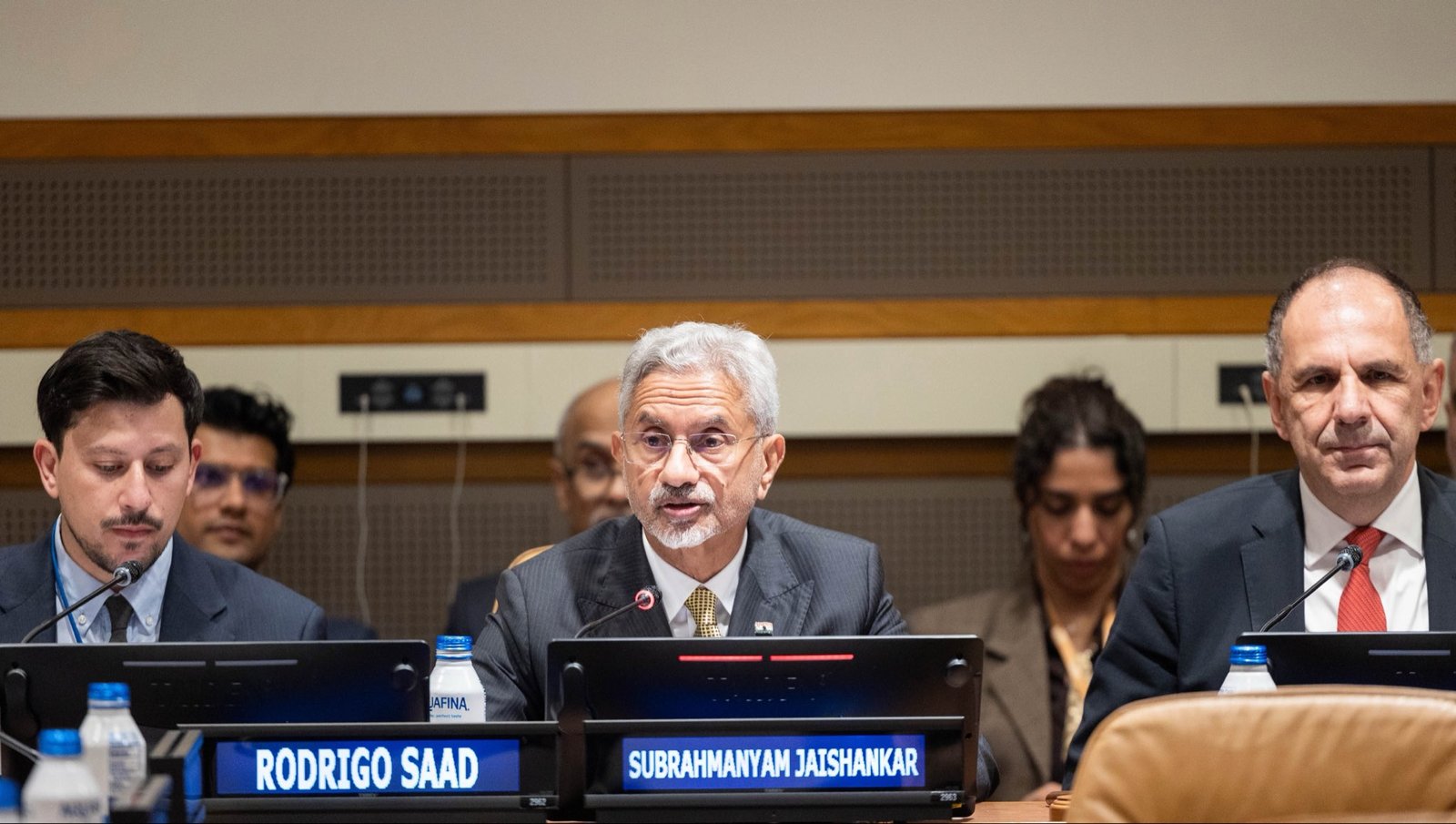
External Affairs Minister S. Jaishankar said countries far removed from conflict zones were increasingly being affected by disruptions to food, fuel, fertiliser, finance and commerce. “Those most impacted often have the least say,” he told the UN General Assembly
Jaishankar said the failure to maintain peace was weakening security, threatening economic progress and slowing development, with the effects particularly severe across the Global South. India has called for restraint and de-escalation in ongoing conflicts, while stressing the need to keep energy and trade routes open and protect commercial shipping and seafarers
His concerns about the wider economic effects of conflict were echoed by leaders from island nations and developing economies during the General Debate. Their interventions highlighted how disruptions to international shipping and commodity markets can quickly translate into higher domestic prices, even when conflicts are geographically distant
Maldives Vice President Hussain Mohamed Latheef said insecurity was increasingly travelling through sea lanes, supply chains, financial markets and digital networks. He warned that disruption of maritime traffic through the Strait of Hormuz was raising fuel prices and affecting food supplies and air travel
For the Maldives, he said, the consequences extended to tourism and public finances because of the country's dependence on imports and international travel. Latheef also stressed that competition among major powers in the Indian Ocean should not restrict the choices available to smaller states, arguing that the region must remain open to trade and economic activity
The vulnerability of developing economies to such shocks has also been documented by the UN. UN analysis has found that disruption around the Strait of Hormuz has affected energy, food and industrial supply chains, with higher costs for fuel and essential inputs such as fertilisers
Jaishankar described the pressures facing developing countries as a “4F crisis” involving food, fuel, fertiliser and finance. He said shortages, supply disruptions and restrictions on market access could undermine the ability of developing countries to industrialise and achieve development goals


टिप्पणियाँ 0